
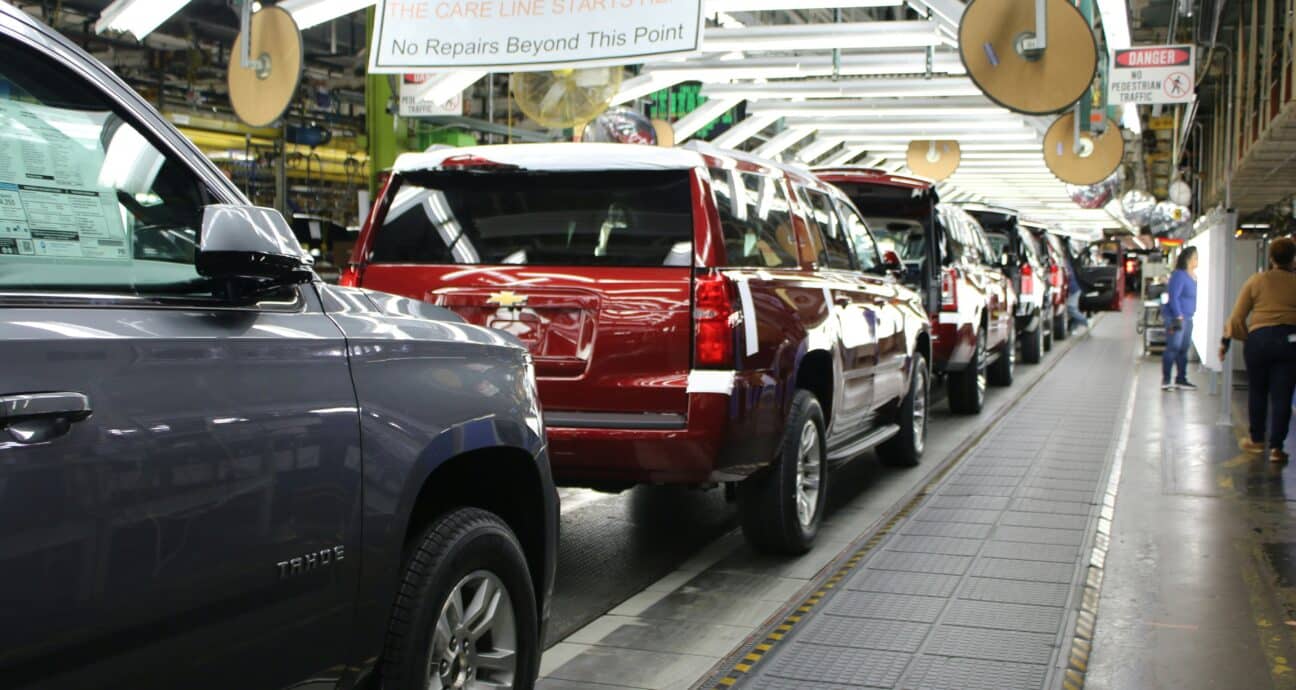
Beyond Firefighting: Building a Resilient Assembly Line
The most successful automotive plants don’t just have the best machinery; they have the most responsive communication loops. In an environment where a vehicle rolls off the line every 60 seconds, “resilience” isn’t a buzzword—it is the ability to re-staff a critical station before the line even starts.
Operational excellence requires moving away from the “panic-and-respond” cycle. When a supervisor starts their shift already knowing their staffing gaps have been filled, they can focus on what they are actually there to do: optimize quality and ensure safety.
The Shift from Reactive to Proactive Staffing
Most managers handle automotive manufacturing absenteeism as a series of isolated emergencies. Someone calls out, the supervisor scrambles, and the day starts behind schedule. To break this cycle, plants are shifting toward “self-service” reporting and automated fulfillment.
1. Removing the Middleman
When an employee reports an absence, the information shouldn’t sit in a voicemail box or a personal text thread. A resilient system captures that data instantly and broadcasts it to the people who can solve the problem. By automating the intake, you ensure that the “news” of an absence travels faster than the physical disruption it causes.
2. High-Speed Capacity Matching
Filling a shift isn’t just about finding a warm body; it’s about finding the right skill set. A proactive approach uses a digital “broadcast” that targets only the workers certified for that specific station.
- The result: Shifts are claimed by qualified people in minutes.
- The benefit: Managers spend zero time checking training logs or manually dialing numbers.
Why Deskless Workers Prefer “Low-Friction” Systems
A resilient operation respects the worker’s time as much as the company’s. For the deskless workforce in automotive plants, complex apps are often a barrier rather than a bridge.
Accessibility is Reliability
A system that relies on SMS and automated IVR (voice) is inherently more reliable than one requiring a login. Employees don’t have to remember passwords or find a strong Wi-Fi signal to report an absence or pick up an extra shift. They just respond to a text.
Fairness Through Transparency
Automated callouts remove the “favoritism” trap. When a shift opening is sent to everyone eligible simultaneously, it creates a transparent, “first-come, first-served” culture. This boost in morale is a secondary but powerful driver of plant-wide stability.
The 3-Minute Staffing Standard
The gold standard for a modern assembly line is the 3-minute callout. This is the ability for a manager to identify a gap and launch a notification to every eligible relief worker in under 180 seconds.
Frekyl is designed specifically to hit this benchmark. By leveraging the tools your team already has—their phones—it turns the chaos of automotive manufacturing absenteeism into a streamlined, repeatable process.
Practical Takeaway
Look at your current “time-to-fill” for a vacant shift. If it takes longer than 15 minutes to reach your eligible workforce, your communication loop is a bottleneck. Streamlining this single touchpoint can save your leadership team dozens of hours a week, allowing them to lead the floor rather than manage the phone.