
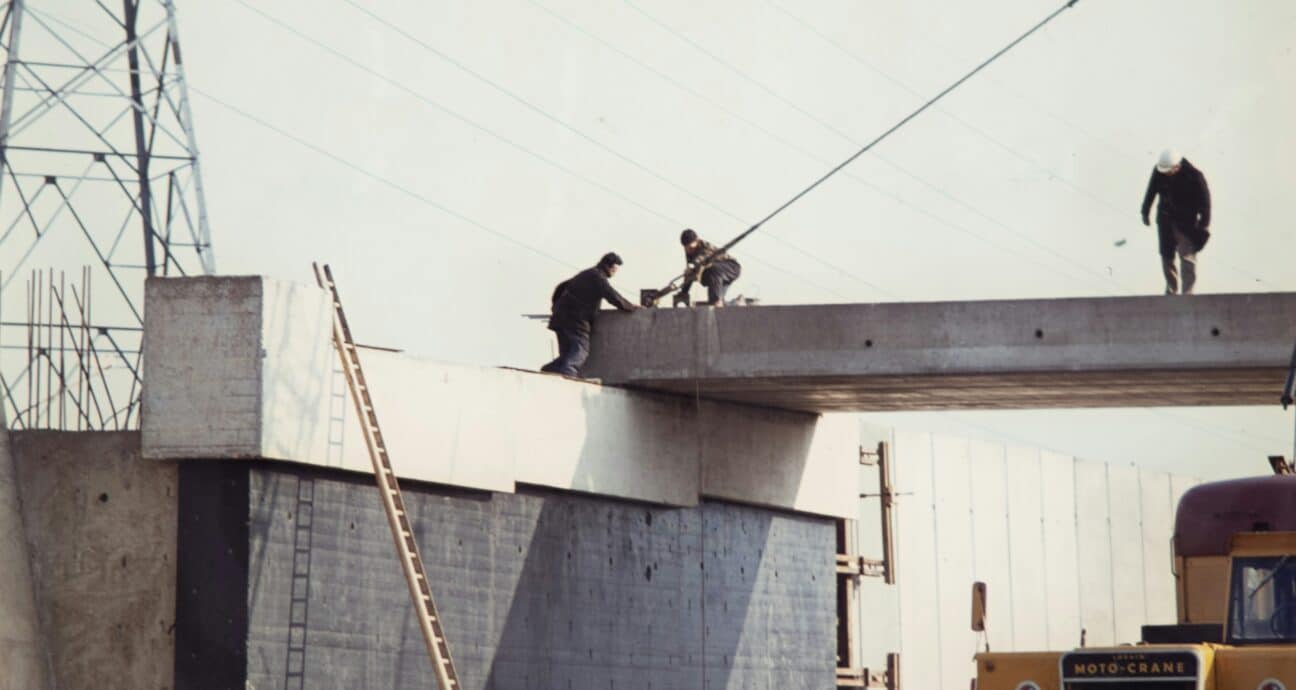
In the race to “digitize the enterprise,” we’ve stumbled into a bizarre paradox. We build incredibly sophisticated platforms, then hand them to people who work in warehouses, drive delivery trucks, or manage construction sites.
The result? The Digital Disconnect.
The most successful operations today are realizing that “one size fits all” software is a myth. To truly scale, you need a Hybrid Software Strategy: High-Tech at the command center, and Low-Tech (or No-Tech) on the ground.
The Command Center: Why Managers Need High-Tech
For the person in the office (or the home office), data is the lifeblood of the business. You need a “High-Tech” dashboard because your job is complexity management.
A manager’s dashboard shouldn’t just be a list of names; it should be a strategic engine that offers:
- Real-Time Analytics: Seeing a shift fill in real-time isn’t just “cool”—it’s the difference between hitting a deadline and paying a late penalty.
- Audit Trails: In a world of labor compliance, “I think I sent a text” doesn’t cut it. You need a digital record of every interaction.
- Automated Logic: You need the power to say, “Ask the senior staff first, wait ten minutes, then blast the rest,” and then walk away to grab a coffee.
High-Tech provides the “Eyes” and the “Brain” of the operation.
The Front Line: Why the Workforce Needs Low-Tech
While the manager needs a cockpit of data, the employee on the move needs zero friction. If an employee has to download an app, remember a password, and navigate three sub-menus just to say “Yes” to a shift, you’ve already lost. That isn’t “modernizing”, it’s adding an administrative tax to their day.
“Low-Tech” on the ground (SMS and IVR) is actually the highest form of sophistication because it respects the worker’s environment:
- Ubiquity: Everyone knows how to answer a text. No training required.
- Reliability: In a “dead zone” or on an older device, a text message still gets through when a heavy app UI crashes.
- Immediate Action: It takes three seconds to reply “1” to a text. It takes three minutes to log into a portal.
Bridging the Paradox: The Frekyl Way
The “Paradox” is that these two worlds usually don’t talk to each other. You either have a clunky manual process (Low-Tech/Low-Tech) or a complex app that nobody uses (High-Tech/High-Tech).
The Hybrid Management Paradox is solved when the dashboard is the only thing that’s complex.
Imagine a scenario where a manager sees a gap in the schedule on their Frekyl dashboard. They click one button—the “High-Tech” trigger. Immediately, the “Low-Tech” engine kicks in, sending personalized SMS invites to fifty employees.
As those employees reply via a simple text (Low-Tech), the dashboard (High-Tech) updates instantly. The manager watches the bars turn from red to green without ever picking up a phone.
The Bottom Line: Complexity is for Computers, Not People
The goal of technology shouldn’t be to make your workforce more “tech-savvy.” It should be to make the technology so invisible that they don’t even realize they’re using it.
By keeping the High-Tech on Top for strategy and the Low-Tech on the Ground for execution, you create an operational flow that is both data-driven and human-centric.
Stop forcing your team into your software. Start using software that meets your team where they are.
Ready to see the Hybrid Paradox in action? Explore Frekyl and see how we turn complex workforce logic into a simple text message.