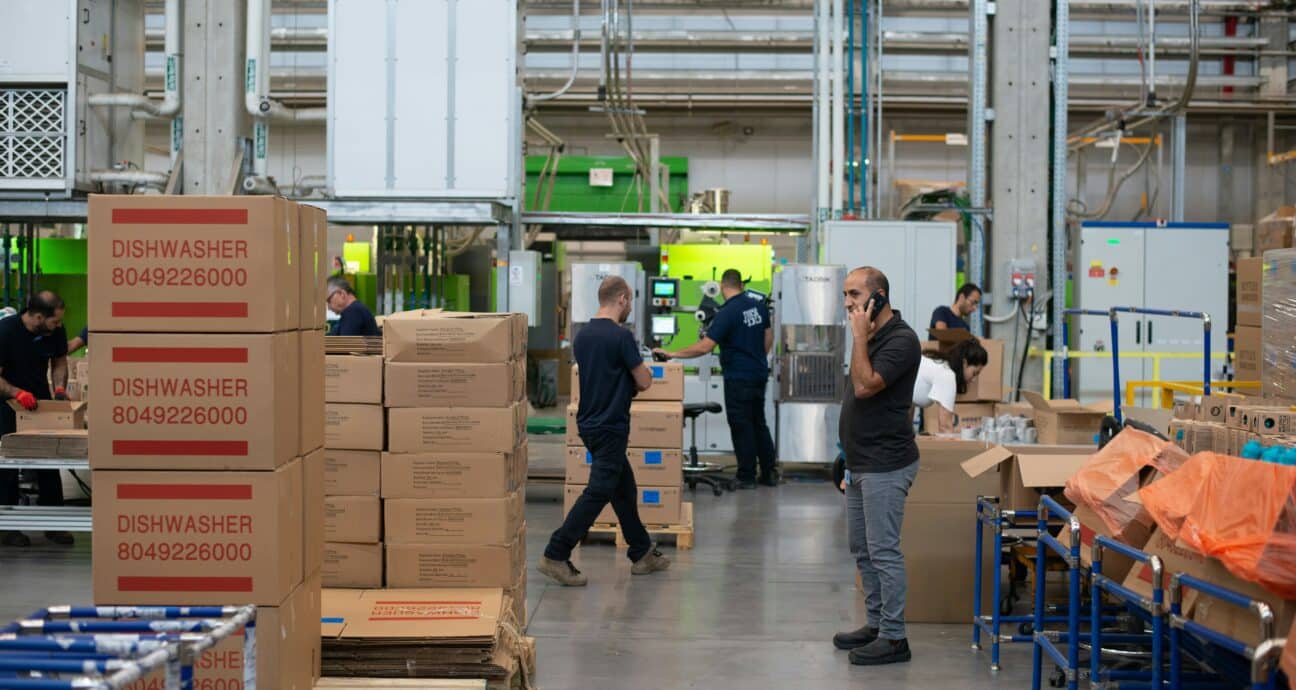
In a manufacturing or logistics environment, the morning shift doesn’t start at the punch clock. It starts two hours earlier, in the dark, when a floor supervisor’s phone begins to buzz with texts from employees who can’t make it in.
For most operations leaders, this is the most stressful part of the day. A single absence on a specialized line can stall an entire production run. The immediate reaction is a frantic scramble: the manager sits down with a spreadsheet or a paper phone list and starts dialing.
This process, known as manual shift filling, is a silent killer of operational efficiency. It forces high-value managers to act as dispatchers, burning hours on phone tag instead of focusing on safety, quality control, or output targets.
The High Cost of the “Phone Tree”
The math of manual shift filling is brutal. If a supervisor has to fill three vacant shifts and it takes an average of 10 calls to find a willing replacement, that is 30 individual touchpoints.
Between dialing, leaving voicemails, and waiting for callbacks, a manager can easily lose two hours before the mid-morning break. In a facility running 24/7, these lost hours compound. Over a month, a leadership team might spend 40 to 60 hours simply trying to get people to show up.
Beyond the time lost, manual outreach is rarely fair or optimized. Managers naturally call the people they know will answer first. This leads to “burnout batches”—a small group of reliable employees getting overworked while others never hear about available overtime.
The Friction of Technology Overload
Many companies try to solve this by forcing employees to download a complex workforce management app. In a deskless environment, this often backfires.
Logistics and manufacturing workers frequently use older smartphones or have limited data plans. Asking them to remember a password and navigate a multi-layered app just to report an absence creates “participation friction.”
When the system is too hard to use, employees stop using it. They go back to texting the supervisor directly or, worse, they simply don’t show up. True efficiency in a warehouse or factory floor comes from meeting the workers where they already are: their native messaging and phone apps.
Turning Two Hours into Three Minutes
The goal for any lean operation should be to reduce the “time to fill.” This is where automation changes the game for the deskless workforce.
Imagine a scenario where the employee reports their absence via a quick SMS or an automated IVR call. The manager sees the vacancy on a dashboard and, with a few clicks, launches a callout to every eligible person on the list.
- No apps: Employees receive a text or call and reply with a simple “YES” to claim the shift.
- No gatekeeping: The first qualified person to respond gets the spot.
- Real-time visibility: The supervisor sees the shift turn green on their screen while they are out on the floor, not stuck in an office.
By using a platform like Frekyl, managers can launch these callouts in under three minutes. It moves the burden of communication from the human to the system, allowing the supervisor to get back to the work they were actually hired to do.
Final Thoughts: Focus on the Floor
Manufacturing excellence isn’t just about the machines on the floor; it is about how you manage the people who run them. If your best supervisors are spending their mornings playing phone tag, your productivity is capped by your communication bottlenecks.
The practical takeaway for operations leaders is simple: audit your morning routine. If manual shift filling is eating more than 15 minutes of your day, it is time to stop dialing and start automating. Moving to an SMS and IVR-based system ensures your lines stay moving without tethering your managers to a desk.